

Hip Resurfacing
Hip resurfacing is an alternative to total hip replacement for active people with hip arthritis. Mr Raymond offers both established metal and modern ceramic resurfacing, so the implant can be matched to you.
What is hip resurfacing?
In a total hip replacement, the ball at the top of the thigh bone is removed and replaced. In hip resurfacing, the ball is kept: its worn surface is reshaped and capped, and the socket is lined with a matching cup.
Because more of your own bone is preserved and the joint stays close to its natural size, resurfacing offers:
A lower risk of dislocation than standard hip replacement
Natural hip mechanics, which suits high activity levels
More bone kept for the future, should further surgery ever be needed
Metal or Ceramic?
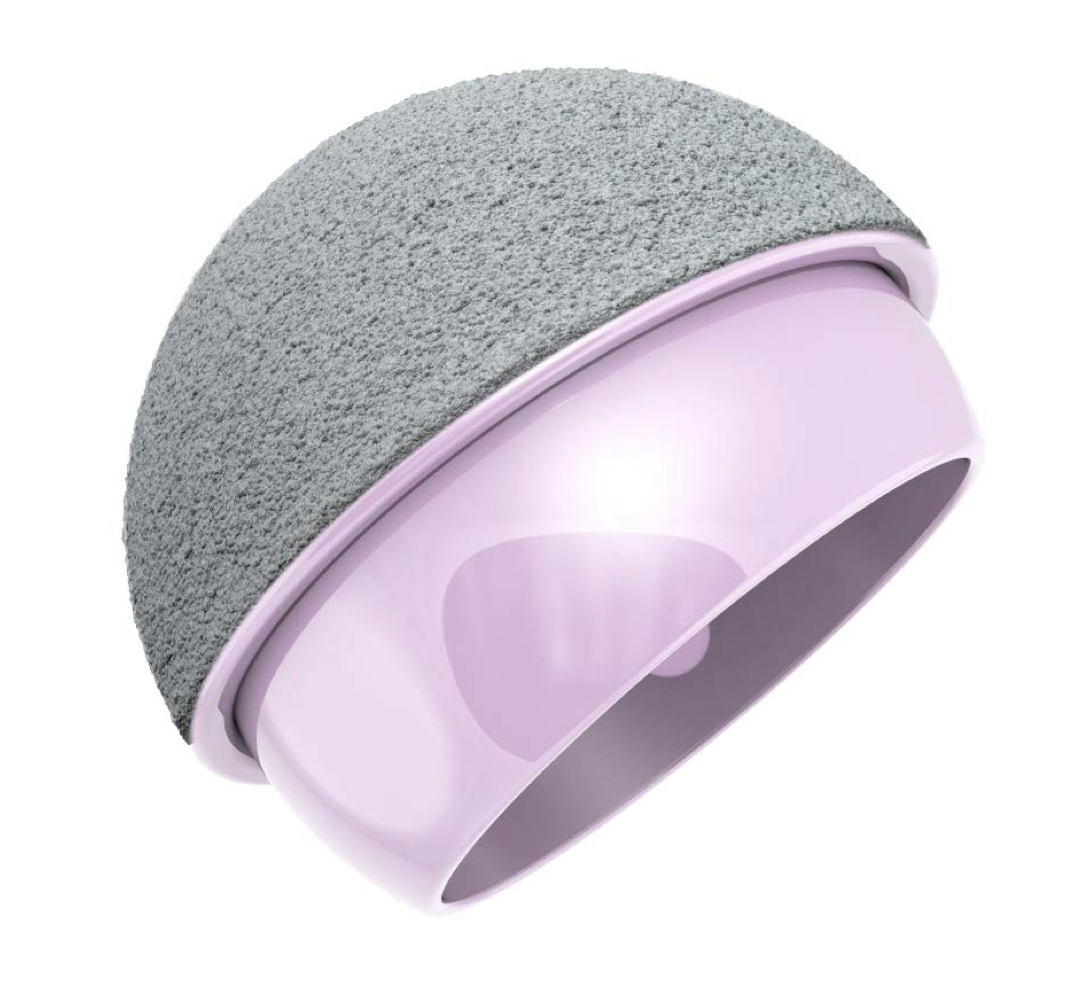
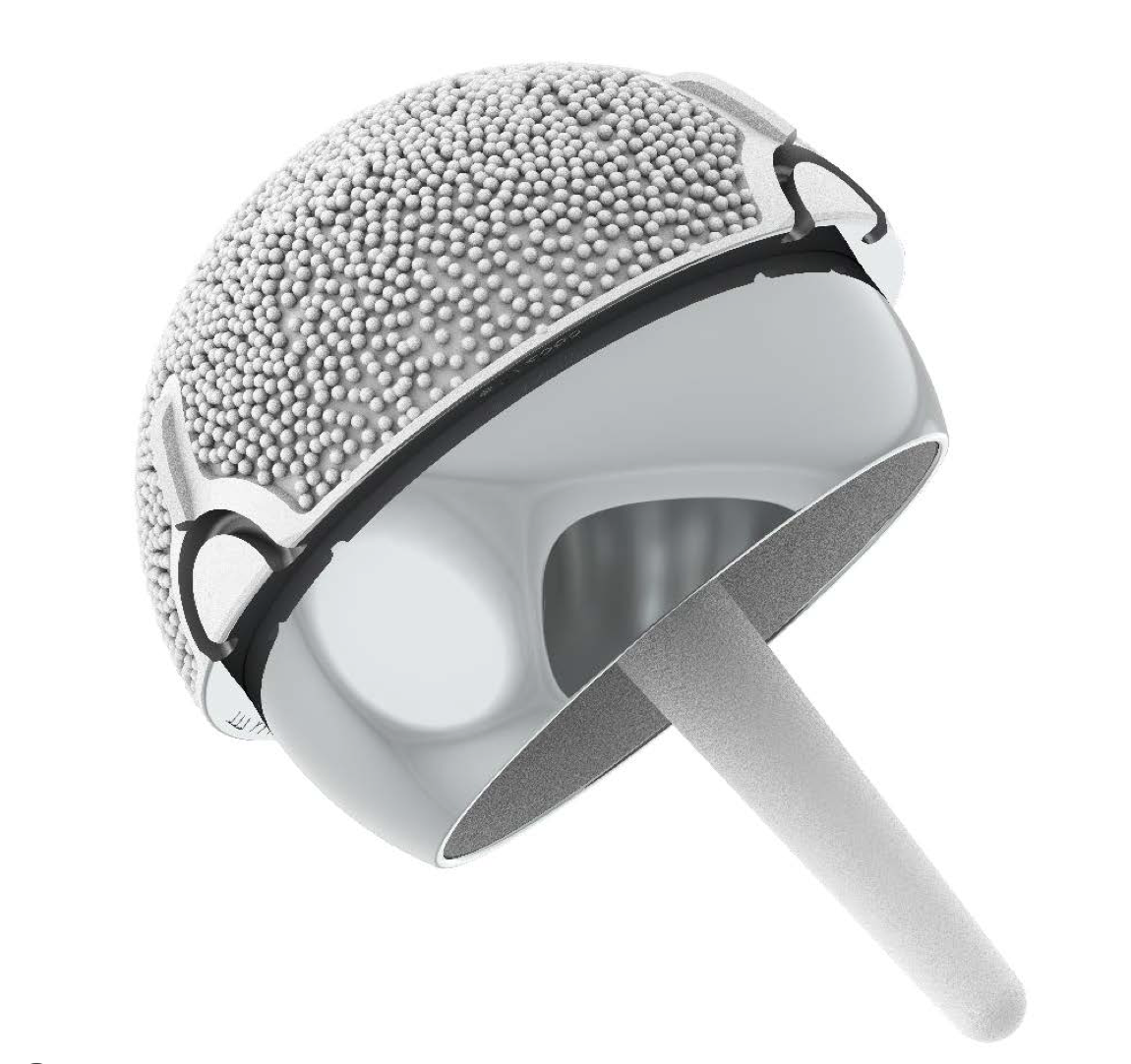
| Metal resurfacing | Ceramic resurfacing | |
|---|---|---|
| Suitable for | Men with a larger hip (femoral head) | Men and women, including smaller hips |
| Track record | The longest of any resurfacing, with good long-term results in carefully selected patients | Newer; early results are encouraging and longer-term results are being collected |
| Follow-up | Regular review, including blood tests to check metal levels | Regular review; no metal wear |
| Implant used | Adept | ReCerf |
Who is it suitable for?
Resurfacing is usually considered for people who:
Have arthritis of the hip, or another condition damaging the joint surface
Want to stay highly active, whether in sport, a physical job or an active retirement
Have good bone quality and a suitable hip shape and size
It is not suitable for everyone. Some patients do better with a hip replacement, and Mr Raymond will advise you honestly on which option suits your hip.
Why Mr Raymond still offers metal resurfacing
Why Mr Raymond still offers metal resurfacing
Around 10 to 15 years ago, problems emerged with some metal-on-metal hip implants, including reactions to metal wear debris. These were linked mainly to particular implant designs, smaller hips, women, and implants that were not ideally positioned. As a result, metal resurfacing became much less widely used in the UK.
In carefully selected patients, particularly men with larger hips, established metal resurfacing designs continue to perform well. Metal resurfacing is now available at relatively few UK hospitals. Mr Raymond continues to offer it, alongside modern ceramic resurfacing, with follow-up in line with national guidance.
Modern ceramic resurfacing avoids metal wear altogether and extends resurfacing to women and to men with smaller hips. Offering both means Mr Raymond can recommend the implant that suits you.
Mr Raymond's experience
Mr Raymond trained in hip resurfacing under Professor Piers Yates on the Fremantle Hip and Knee Arthroplasty Fellowship in Perth, Australia, and has performed it regularly since. At University Hospitals Dorset he also offers hip arthroscopy and joint-preserving surgery, so resurfacing is one of several options he can discuss with you.
Recovery
Most patients are walking with support on the day of surgery or the next day and go home on the day or after one night. Typically, patients:
Use of crutches for around four to six weeks
Return to driving at around 4 weeks and once you can do an emergency stop comfortably. Let your insurer know about your operation.
Return to low-impact activity such as cycling, swimming and golf within three months
Gentle jog at 3 months
Build up to higher-impact activity at a minimum of 6 months, guided by Mr Raymond and your physiotherapist
Risks
As with any hip operation, there are risks, which include those specific to resurfacing. These are: a small risk of fracture of the femoral neck, usually in the first months after surgery and irritation to the iliopsoas tendon. With metal resurfacing, there is also a risk of reaction to metal wear, which is why regular follow-up is important. Mr Raymond will discuss these risks with you in detail.
Common questions
Is hip resurfacing better than a hip replacement? Neither is better for everyone. Resurfacing suits active patients with a suitable hip; a modern hip replacement is an excellent operation for many others. There are pros and cons to both types of operations. Mr Raymond will recommend what suits you.
Can women have hip resurfacing? Yes. Ceramic resurfacing is suitable for women and for men with smaller hips. Metal resurfacing is not usually recommended for women.
I have an older metal hip. Can Mr Raymond review it? Yes. Mr Raymond reviews patients with metal resurfacings and metal-on-metal hip replacements, including blood tests and scans where needed, and can advise on revision if required.
How long does a hip resurfacing last? Metal resurfacing has the longest track record of any resurfacing. In published results from specialist centres using the Birmingham Hip Resurfacing, around 95–97% of resurfacings in men were still working at 20 to 25 years. Results are less good in women and in smaller hips, which is why metal resurfacing is now offered mainly to men with larger hips. The Adept resurfacing Mr Raymond uses holds an ODEP 15A rating, meaning strong evidence of performance at 15 years. Ceramic resurfacing is newer, and longer-term results are being collected. Individual results vary.
Sources: Dhawan et al., Birmingham Hip Resurfacing at 20 years, Bone & Joint Journal 2023; Nasser et al., Indications for revision following Birmingham Hip Resurfacing: the largest 25-year series, Bone & Joint Journal 2026.
Book a consultation
Self-funding patients do not need a GP referral. If you are insured, check with your insurer first, as most require a GP referral and an authorisation code.
Contact Mr Raymond's secretary, Lisa Green, on 07879 982891 or at lisa@consultantadmin.co.uk. Mr Raymond sees patients at the Nuffield Health Bournemouth Hospital and the Circle Harbour Hospital, Poole.