Procedures
-
Hip resurfacing is an alternative to total hip replacement for active patients with arthritis. Instead of removing the ball of the hip, it is reshaped and capped, which preserves more bone and keeps a natural-sized joint. This gives better biomechanics and a lower risk of dislocation than standard hip replacement, and suits patients who enjoy regular sport or have physically demanding jobs.
I only use implants with evidence to support its use and those that have been given a good rating by the Orthopaedic Devices Evaluation Panel (ODEP).
Metal hip resurfacing has been used mainly in men, with good outcomes reported at up to 25 years' follow-up with established implant designs. In line with national guidance, metal resurfacing is not usually recommended for women, because of higher failure rates. Metal resurfacing requires regular follow-up, including blood tests to monitor metal levels.
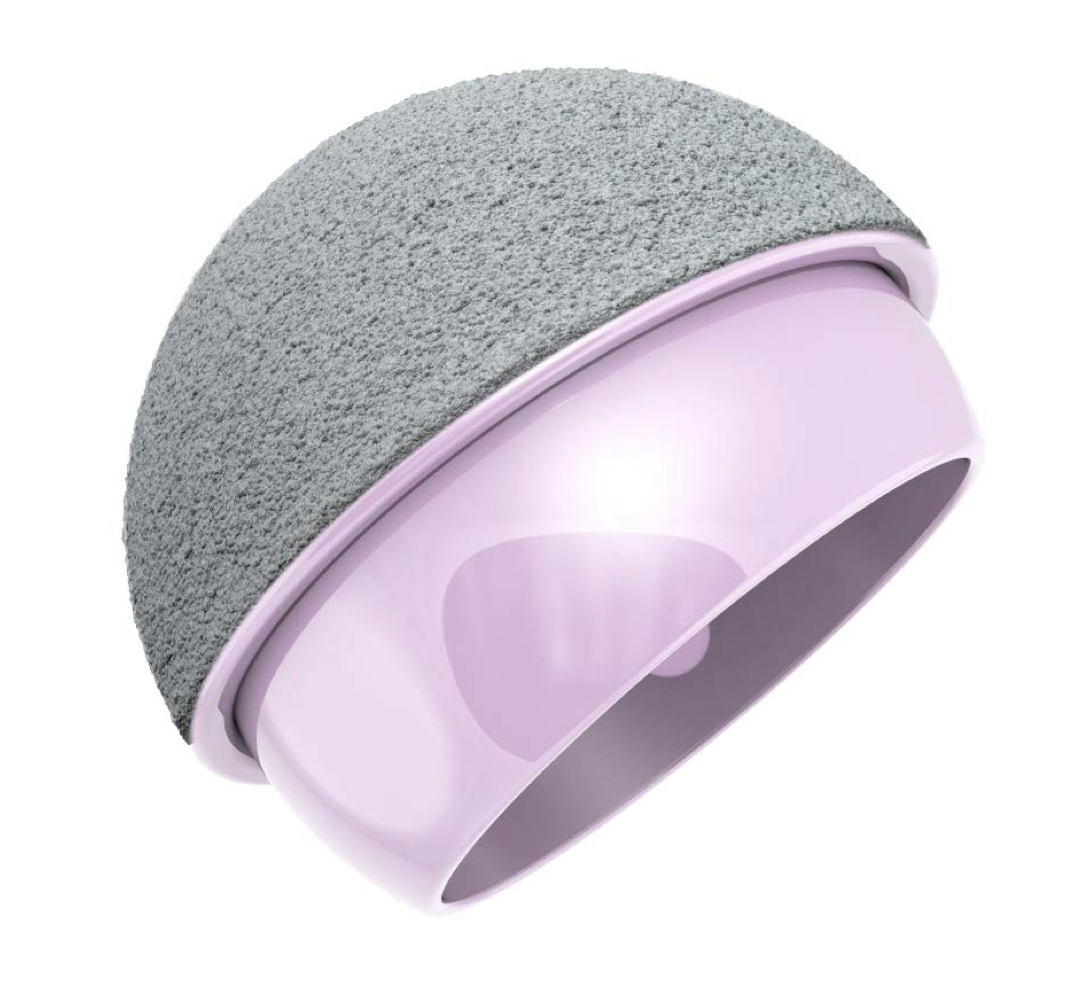
Ceramic resurfacing avoids metal wear and is suitable for women and men with smaller hips. Early results are encouraging, and longer-term results are being collected.
Good candidates are active, with good bone quality and a suitable hip shape. Mr Raymond will assess whether resurfacing or hip replacement is the better option for you.
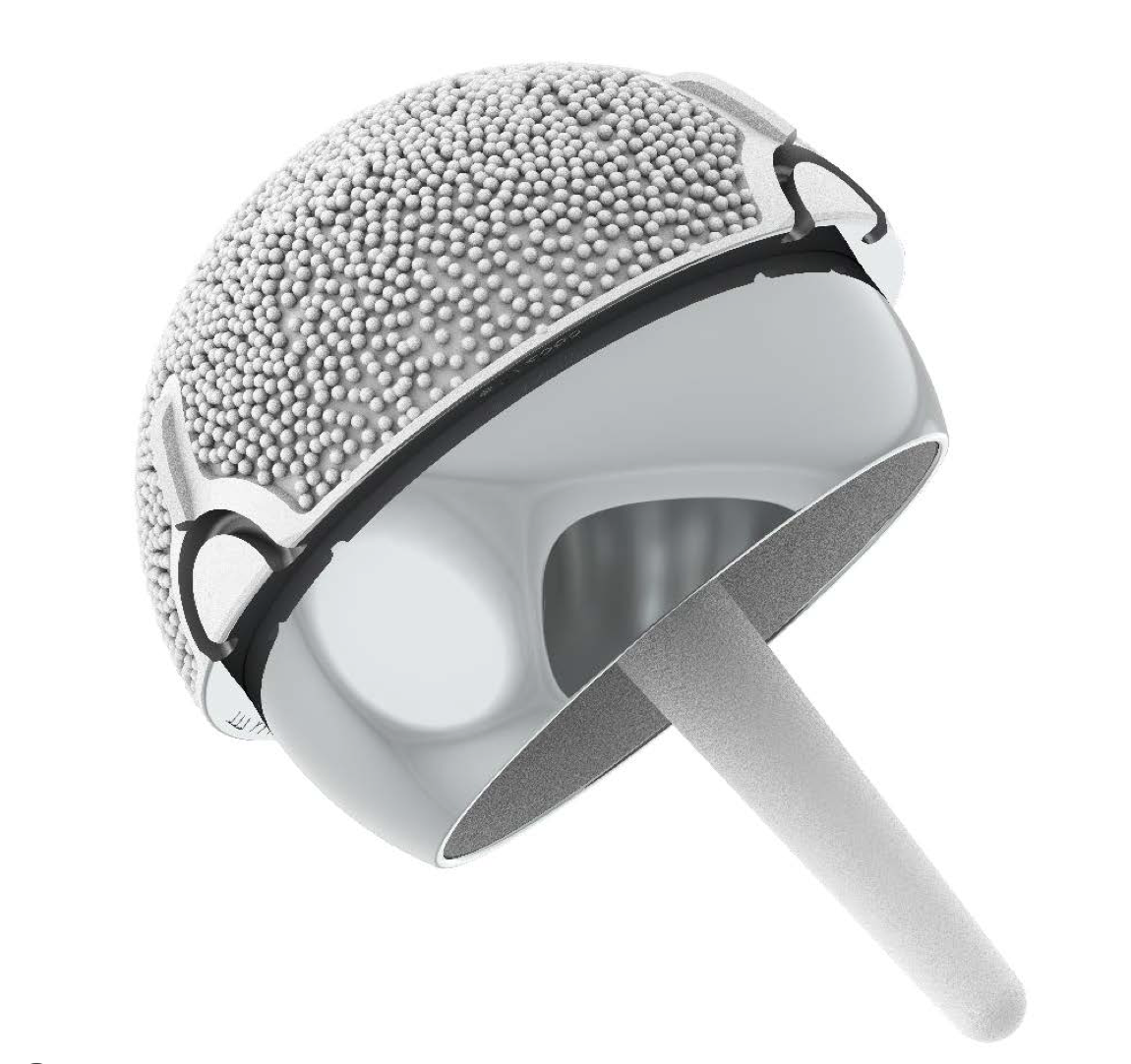
Further information on the implants Mr Raymond uses:
Most patients are walking and go home on the day of surgery or after one night in hospital. You will work with specialist hip physiotherapists who collaborate closely with Mr Raymond.
Most return to driving at around 4 weeks, and return to activities such as gym work and jogging at 3 months. Return to sport or unrestricted activities is usually at 6 months.
-
Total hip replacement is one of the most successful operations in medicine. It is used when the hip joint has been damaged, most often by osteoarthritis, but also by childhood hip conditions such as Perthes disease, or by hip dysplasia. The implant may be fixed with or without cement, depending on your bone quality and other individual factors.
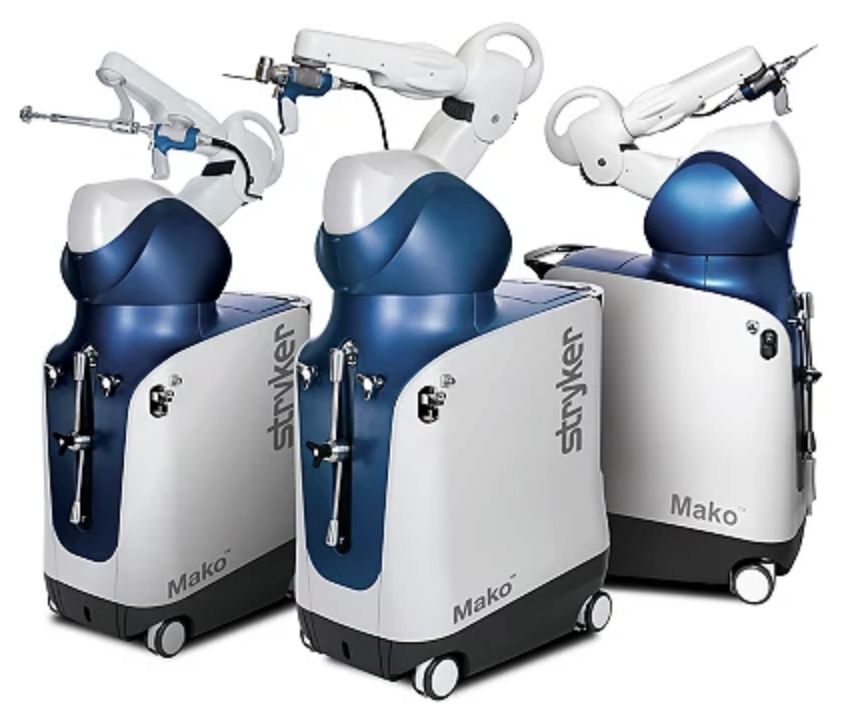
Robotic hip replacement uses a 3D plan of your hip, based on a CT scan, to position the implant with a high degree of precision. Mr Raymond performs robotic hip replacement at the Nuffield Health Bournemouth Hospital.
Most patients are walking and go home on the day of surgery or after one night in hospital. Most return to driving at around 4 weeks, and return to activities such as golf and walking at 3 months. A modern hip replacement is likely to last 15-20 years and sometimes longer for most patients.
For younger, active patients, hip resurfacing may be an alternative (see above).
-
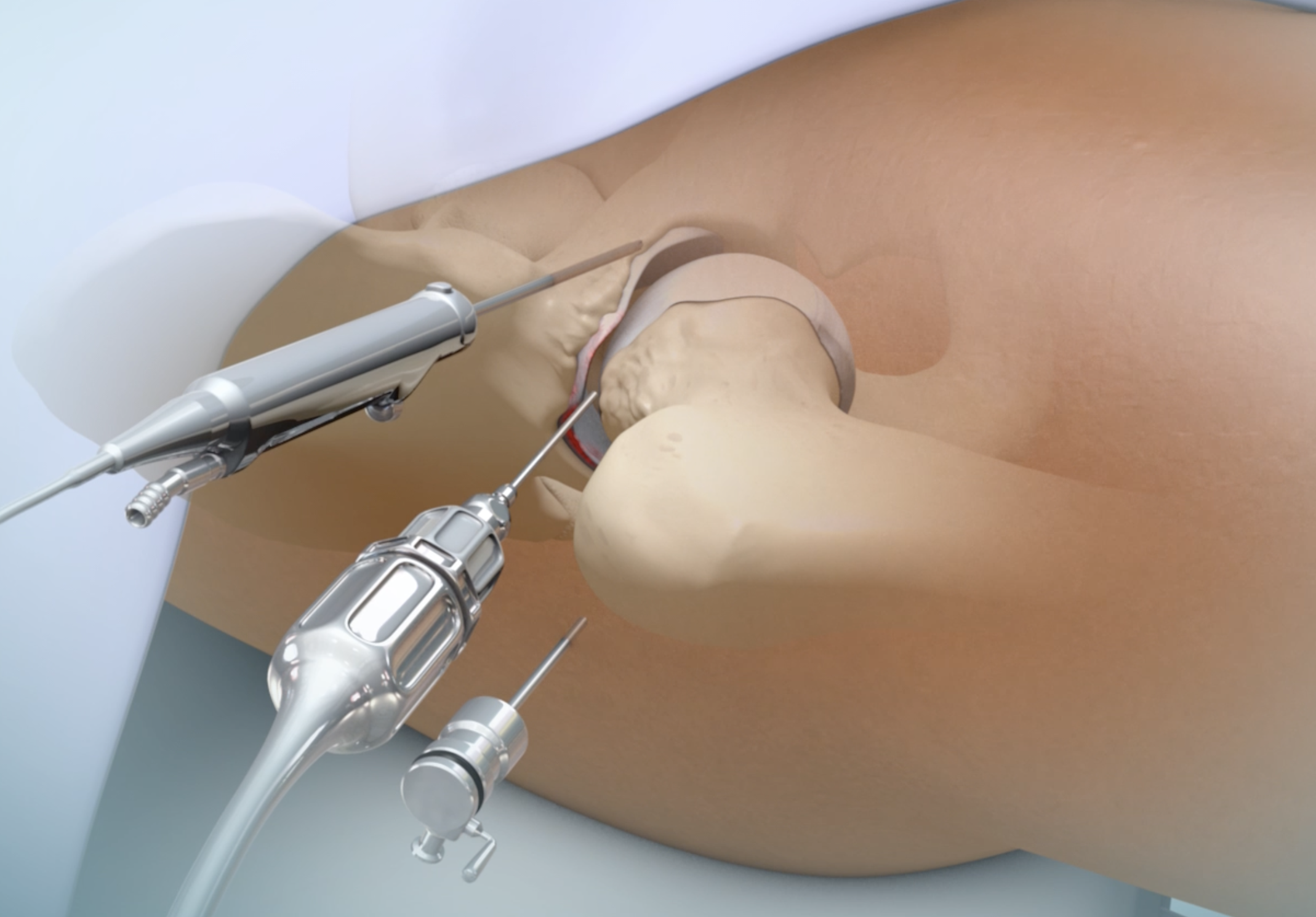
Hip arthroscopy is a minimally invasive, keyhole procedure designed to preserve the hip joint. The joint is accessed through two or three small incisions and seen using a camera.
It can treat structural conditions such as femoroacetabular impingement and labral tears, as well as soft tissue problems such as persistent iliopsoas pain, which may occur after a hip replacement or resurfacing. It is most effective for younger patients without significant arthritis but can be used in older age groups in certain cases.
Hip arthroscopy is usually a day case procedure. Most patients use crutches for around 4 weeks, with return to sport after three to six months.
-
Hip replacements can become painful or problematic, or occasionally fail, for example through loosening, infection, dislocation, wear or a reaction to metal implants.
After investigation and a full discussion of the options, revision of your hip replacement may be recommended. This involves removing some or all of the existing implants and replacing them with new ones. It may be done in one operation, or in two stages, usually when infection is the cause.
Mr Raymond also offers second opinions for patients concerned about their hip replacement.
-
Muscle and tendon injuries around the hip and thigh can happen suddenly, through a slip, a fall or sport, or develop gradually over time. They can become chronic or recurrent and may not respond to physiotherapy. Acute tendon tears are best repaired early, so prompt assessment matters. Surgical repair can be performed for:
Gluteal (hip abductor) tendon tears, which often develop gradually and are most common in women over 40 or after certain total hip replacement procedures.
Hamstring tears at the top of the thigh, where the tendon pulls away from the sitting bone, and tears within the hamstring tendon
Rectus femoris (front of thigh) tears at the hip, and tears within its central tendon
Quadriceps tendon rupture above the knee
Technologies used by Mr Raymond